

Pointers for Peak Performance n.2
Being Careful with Barbells, Making Muscle Gains with Less Fat, Prioritising what is Proven, Hotel Workouts and much more..

Last year, I shared a post on sports performance (link here). Since then, I’ve kept experimenting with my coach — testing new methods, pushing my limits and, of course, finding new and creative ways to mess up. Today, I want to share four fresh lessons I’ve learned: the kind that only come from actually living it.
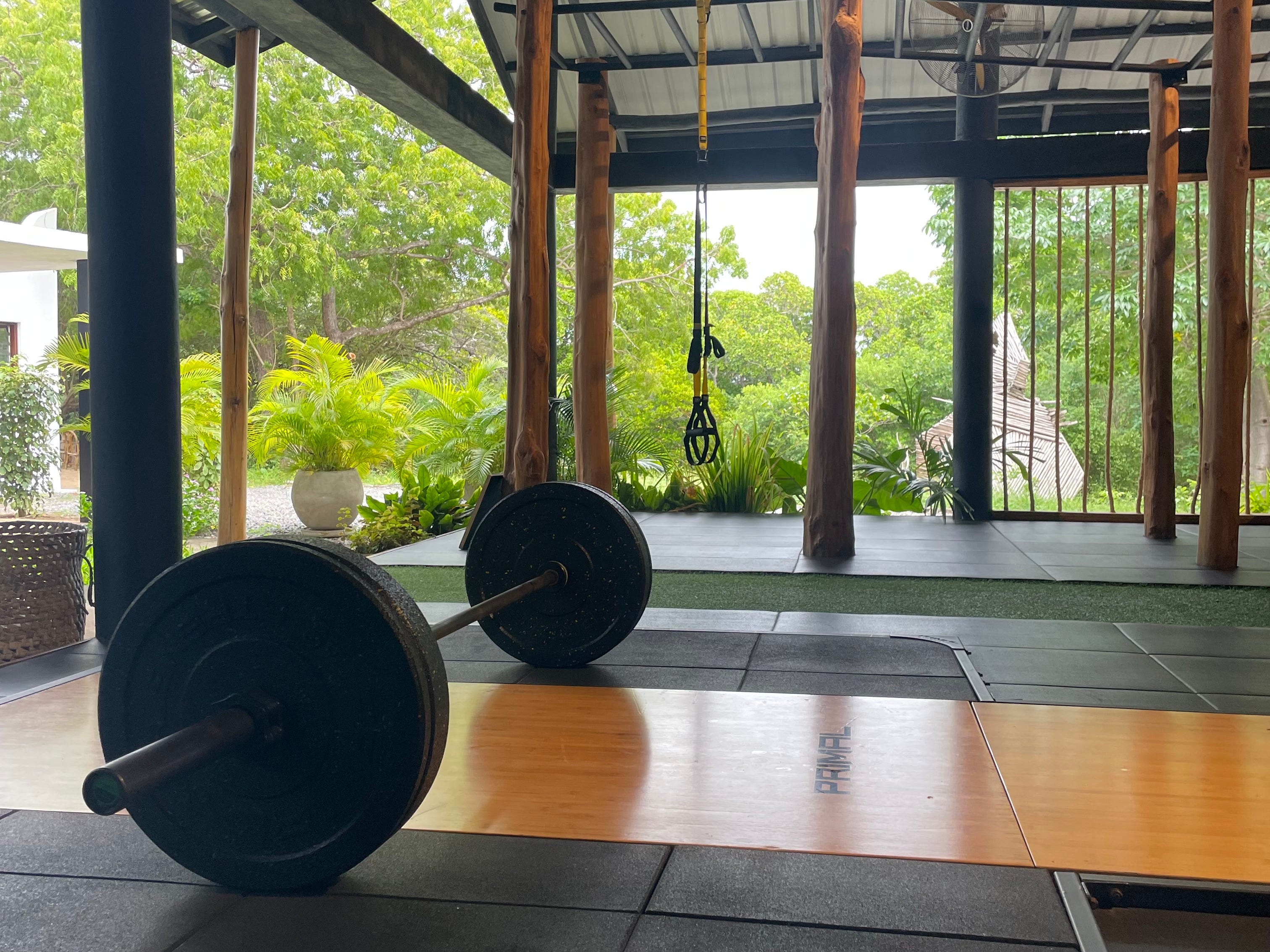
Beware of the Barbell
I’ve recently decided to step away from the barbell for two specific lifts: squats and conventional deadlifts. Not because they’re “bad” exercises, but because for me, the risk–reward isn’t worth it. Over the years, I’ve dealt with recurring stiffness and the occasional sharp twinge in my lower back whenever I had a barbell across my shoulders — as has a subscriber friend of mine, Filippo. These issues likely come down to technique, load management, and individual anatomy. With great coaching much of this could probably be addressed. But if you also struggle with back pain, I think it’s worth considering alternative lifts that deliver similar results with less risk.
Squats will always be a gold-standard movement for building quads and glutes, but these days I lean toward the leg press machine or Bulgarian split squats with dumbbells, full stop. For hip hinges, I still love the barbell — just not for conventional deadlifts. Instead, I rely on Romanian deadlifts (RDLs), hip thrusts, and back extensions. Here’s why: RDLs emphasise a pure hip hinge, keeping the spine stable while loading the hamstrings and glutes through a long eccentric — great for hypertrophy and posterior strength. Conventional deadlifts, by contrast, are more a strength test, highly fatiguing for the spine and CNS, and tougher to recover from.
Hence by choosing the above alternatives, I can still train hard while protecting my long-term back health — because no single lift is “mandatory”. In fact, I’ve even gone through phases of training with just bodyweight or functional work and honestly, I felt fantastic — almost as if it was the best thing I could do for my body.

Muscle Gains Without the Fat Tax
There have been phases where I trained hard and consistently, yet wasn’t fully satisfied with my body composition relative to the effort. Then I came across a short video by fitness coach and scientist Jeff Nippard, who ran a personal experiment: he bulked for six months in a large caloric surplus, gaining both muscle and fat. Then Jeff cut back down to his original body weight to see how much muscle remained. The results showed that most of the muscle was retained, demonstrating that the bulk “worked,”, but the big surplus led to unnecessary fat gain.

His takeaway was that a slower, leaner bulk can deliver the same muscle growth with far less cutting required afterward. I’ve noticed the same in my own training, and now I prefer to eat more moderately — enough to either build or maintain muscle, but not so much that I also gain fat. Right now, I’m trimming calories slightly, and I feel more energetic, lighter, and leaner than before.
Tracking Calories Eaten in an App
Following up from the previous point… how do I actually trim calories? Here is my suggestion.. Firstly, we need to estimate Resting metabolic rate (RMR), which is the number of calories our body burns at rest. Personally, I did a metabolic test to estimate RMR: 1,721 kcal. On top of that, I usually add 500 to 1,000 kCal depending on my activity level for the day. Lastly, I apply a nutrition periodisation approach, inspired by coach Marcus Filly:
Six weeks of fat loss (using a 5–10% daily deficit), followed by a
Two-week diet break — then
Repeat, or pivot into performance/maintenance depending on the season.

This is a skill that pays off long-term. You don’t need to track forever, but even a few weeks or months can completely reshape your sense of portion sizes, protein needs, and hidden calories. Track diligently, weigh yourself daily, and use weekly averages (better) to understand the relationship between what you eat and what you burn. If you want a ballpark estimate of your energy needs, try this macro calculator that factors in weight, muscle mass, and activity level.
Make Workouts Possible Everywhere
A quick 30-minute home or hotel session is far better than nothing — it keeps your momentum alive. Grab a set of resistance bands and try my travel workout in this video, or simply do the bodyweight routine below.
20-Min AMRAP (As Many Reps As Possible)
15 Air Squats
10 Push-ups
10 Reverse Lunges (each leg)
45 second Wall Sit
45 second Forearm Plank
Choose the reps that enable you to maintain high Quality movement

Playlist of the Month
If you enjoyed Peak Performance n.2, you’ll love my Softronica Playlist n.2. ^^
Quote of the Month
There are moments in life — a vacation, a new baby, a demanding career phase, or simply being in love — when it’s not just okay, but actually healthy to set aside performance goals. Obsession rarely serves us well. We can always return to your objectives, but enjoying a little extra of your partner’s delicious family food is part of a balanced, joyful, and truly healthy life.
Losing the balance for Love is part of living the balance of life.
Many thanks to my sister Isy for this beautiful quote with perfect timing.
Photo of the Month
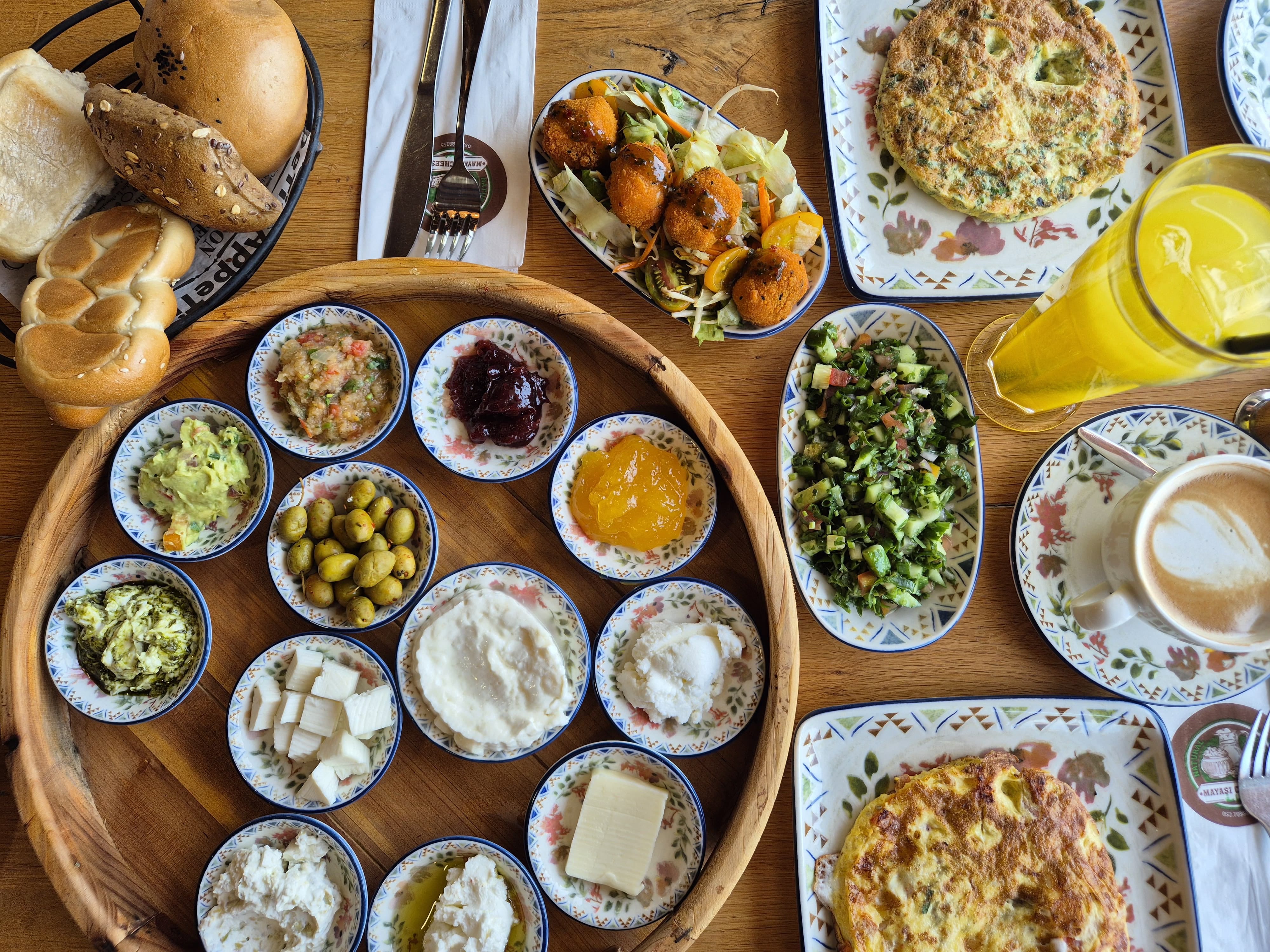
Here’s a funny thing: when you start counting calories to cut or bulk you are full of expextation that everything will come along mathematically. Then you discover that metabolism is a bitch! 😂
After a long normocaloric diet, after summer 2024 I started eating more by step of 150kcals per two weeks. Well I started at 85kg at 2500kcal average and I stopped at 3100kcal average mantaining 85.5kg +/- 1kg.
I started gaining weight after 3300kcal.