Healthish Reflections
6 Questions for You and for Me, Fatigue Masks Fitness: Is Being Sore Actually Good? Personal Truths and much more!

6 Question for you
This year, no goal setting for the final post.
I thought I’d share six stimulating questions.
Hopefully one of them can help you in some way in the new year 🤞🏼Let’s check them out:
What food makes you feel great?
When do you feel best, energy-wise?
When do you experience the highest quality training?
What limiting belief have you decided is true, without concrete evidence?
What passion project have you been dreaming about starting?
Where do you think often about returning to?
I bet this how you’re feeling right now?! ^^

It’s okay ^^ It’s the time of the year to unwind. So for now, no need to answer. Just keep reading and find out my personal answers instead..
What food makes you feel great?
I used to think carbs caused fat gain, influenced by common beliefs, and often minimised pasta, potatoes, and fruit. This year, I re-evaluated that by paying more attention to how I feel in training. When I eat carbs the evening before a workout, I feel stronger the next day and enjoy my workouts more.
When do you feel best, energy-wise?
When I’m not sore and I can train on consecutive days. A long bike ride or an all-out session can feel satisfying occasionally, but being able to push every day is far more effective (more on this topic in the next section!).
When do you experience the highest quality training?
When I haven’t eaten too much, or too late, the night before. It reminds me to recall the Arab saying I posted earlier this year:
“Eat breakfast like a king, lunch like a minister, and dinner like the poor.”What limiting belief have you decided is true, without concrete evidence?
Each of us serves a mission in this life, though we rarely choose it. But this idea can also feel limiting, because so much of what happens: the suffering, the injustice (think about the war), the random pain (think about cancer) — doesn’t seem to fit into any clear purpose. Not everything can be explained by a mission.
What passion project have you been dreaming about starting?
I don’t know exactly how or when, but I’d love to build a private service focused on elite health optimisation — for people interested in improving metabolic and hormonal health, as well as enhancing fitness and sports performance.
Where do you think often about returning to?
Indonesia: the smiles of the people, the shades of green, and the perfect waves.

Fatigue Masks Fitness: Is Being Sore Actually Good?
Lately, I’ve been thinking about soreness. If you’re sore from strength training or stretching, that’s completely normal. Though did you notice that flexibility or running/ swimming performance is reduced after a day of weight training?
When we add volume or push intensity, soreness is almost inevitable. And if we think about what a stretch really is, it’s essentially a lengthened contraction. As we approach our end range, the stretch reflex kicks in and the body tries to protect itself by contracting the very muscle you’re trying to lengthen - it’s like holding an isometric position.
The key point, though, is that improvement doesn’t happen during the work itself. It comes from recovery, adaptation, and the compensation that follows. So if we’re constantly sore, those gains, along with our true range of motion, can end up being masked. It’s worth noting that soreness at the start of a new program is very common and usually settles within two to four weeks. Also, stretching while sore is fine, even though our range may be temporarily reduced.
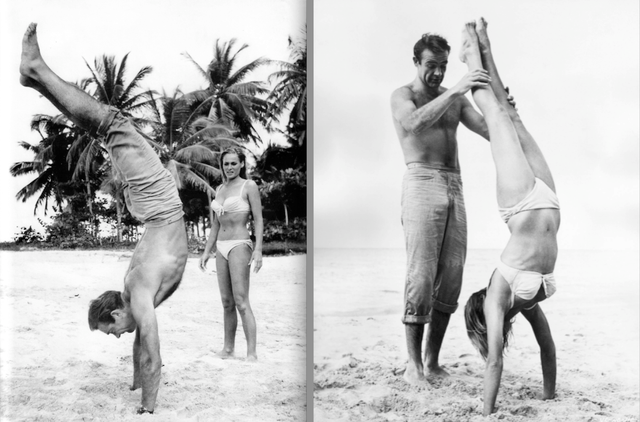
Thus moving forward I‘d like to strike a better balance: enough volume and intensity to create a stimulus, but not so much that I’m perpetually fatigued and unable to express my progress or access my real flexibility. Lately I’ve been experimenting with new training methods:
Power training
I’ve started training power (e.g. plyometrics) more regularly, and the payoff is huge: a boost in rate of force development, enhanced motor-unit recruitment, sharper elastic qualities.Buffer training
This means increasing the number of sets while reducing reps, staying slightly shy of failure. For example: a 50% buffer — 8 sets of single-leg press with 4 reps each. I use this approach mainly for large muscle groups, like the quads.
Both approaches have shown reduced soreness and good transfer to skills like swimming.
Two Things
And extra two thoughts, inspired by my friend Filippo’s video on skill-building:
Forget to-do lists - Before we add new tasks, let’s try to subtract those activities we keep postponing every day.
You don’t find a passion - Passion develops naturally through consistency and effort in any activity we dedicate our time to.
Quote of the month
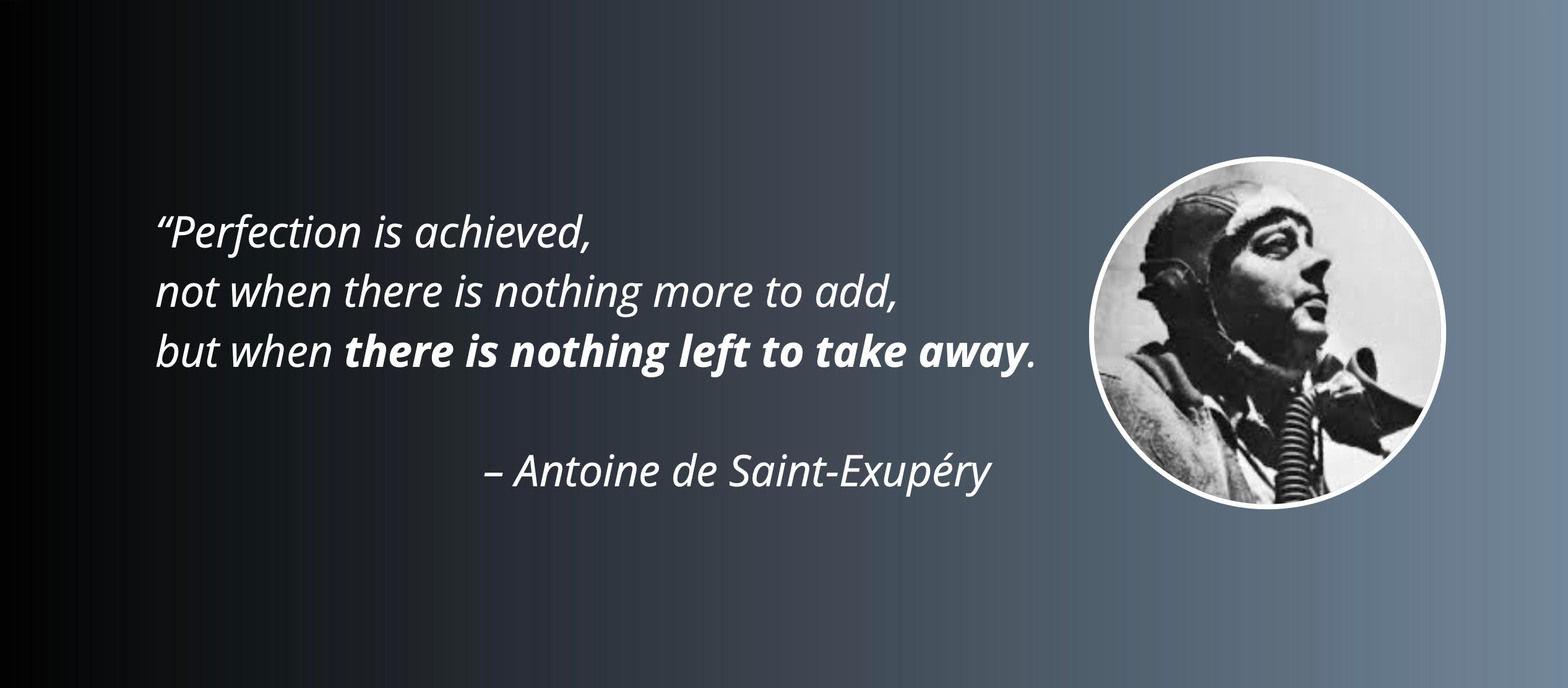
Photo of the month