

Beyond Exercise: Learning to Flow
How I Went from Baluba to Crawling Tiger (and Crab), Movement vs Exercise, Flow Tutorials, Movement Music and much more

From Baluba to Crawling Tiger
Lately, I’ve been experimenting with a new kind of mobility — people call it Animal Flow, movement culture, or simply natural movement. Whatever the name, it’s about reconnecting with the body’s original language: crawling, reaching, twisting, flowing close to the ground — movements that we rarely perform anymore, for one reason or another. Honestly, the best explanation is probably watching my silly attempts to move like a tiger, a crab, or maybe some confused version of both. ^^
Maybe there’s a reason my mountain guide gave me the nickname Baluba — a playful way of calling someone wild or a bit primitive. I used to be pretty uncoordinated wandering around the mountains, haha. However, it’s through my clumsy, slightly ridiculous attempts to imitate nature, to rediscover how to move freely, with curiosity instead of judgment. Maybe that’s the real training goal: not perfection, but the ongoing exploration of different practices and growing along the way.

Now, I’ll take this opportunity to make an even sillier reflection on training in general. What I’m getting at is the natural fallacy: the idea that just because something looks natural, it must therefore be right or better. Of course, there are plenty of “natural” things we don’t want to go back to — like sprinting barefoot after prey or sleeping on cave floors. So what can we actually learn from studying human evolution, culture, or animal movement, without falling into that trap?
Here’s the key: we don’t have to move in a primal way. We can, if it feels fun, if it teaches us something new about coordination, balance, or locomotion. Whether you prefer a structured mobility routine or a more improvised flow, the point is the same: keep moving and learning new locomotor patterns. Maybe that’s why I keep coming back to the Baluba in me — the one who doesn’t move perfectly, but moves anyway. Because in the end, that’s what keeps training alive: stimulation and enjoyment.
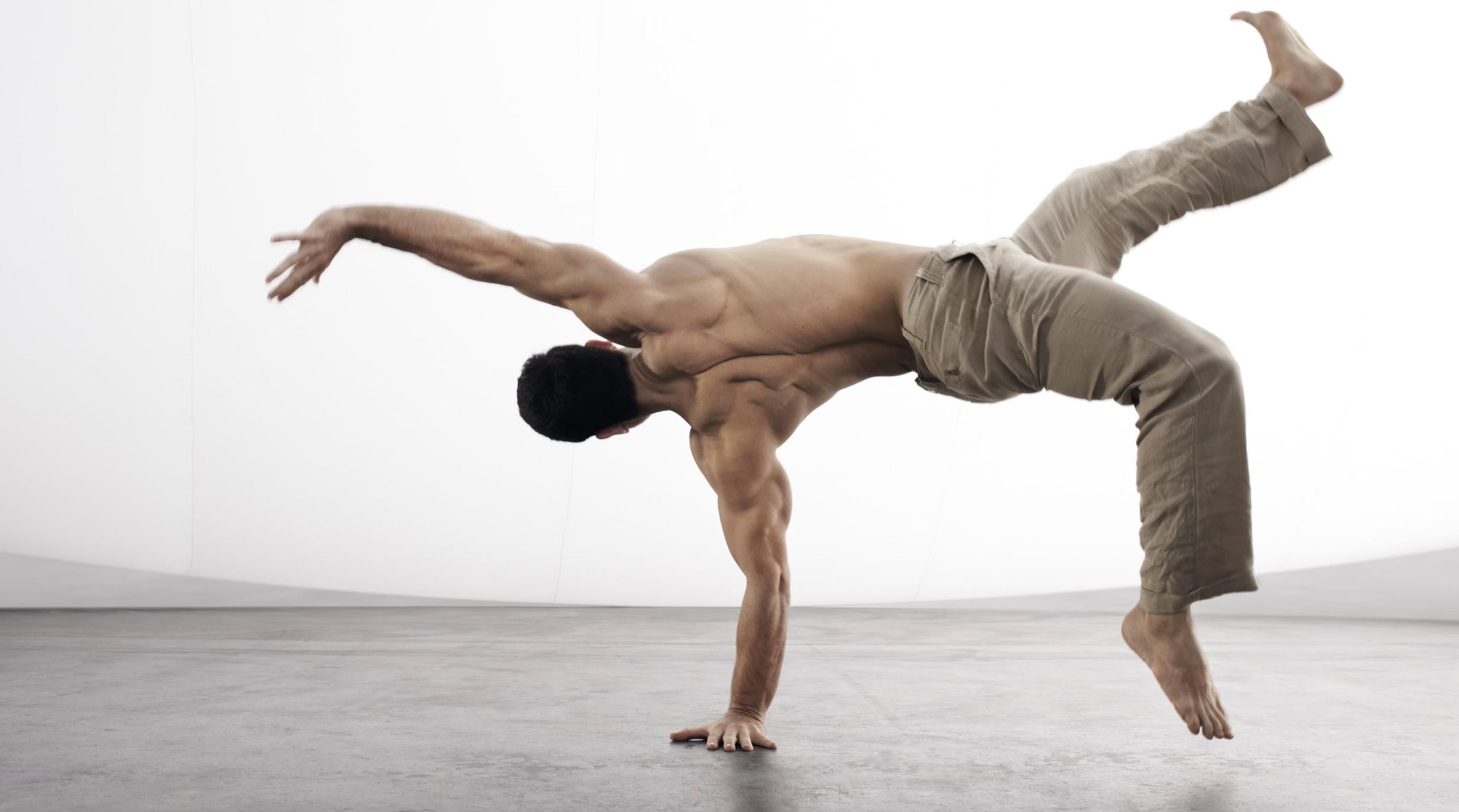
“To move is not to exercise only”
Talking about movement, I can’t not mention Ido Portal, the world’s foremost expert on human movement. Ido has spent a lifetime studying, combining and evolving elements from an enormous range of martial arts, dance genres and science to develop a unified theory and practice of movement called “The Ido Portal Method.”. He says:
“To move is not to exercise only. I recently got asked what are people’s biggest mistake in regards to exercise. I replied: They view their physicality, being in the body, through the lens of exercise alone.”
We often think of language as something used only for communication. But language also exists in how we express being in the world. Movement is that kind of language too. When I move, I express. What we need is not just a workout, but a way to move, a language, a process. I want people to be able to move like they could burst into a monologue: expressive, spontaneous or alive.
If you’re interested, check out some simple videos from the movement culture I’ve been learning from and give it a go!
Movement Videos
Quote of the month
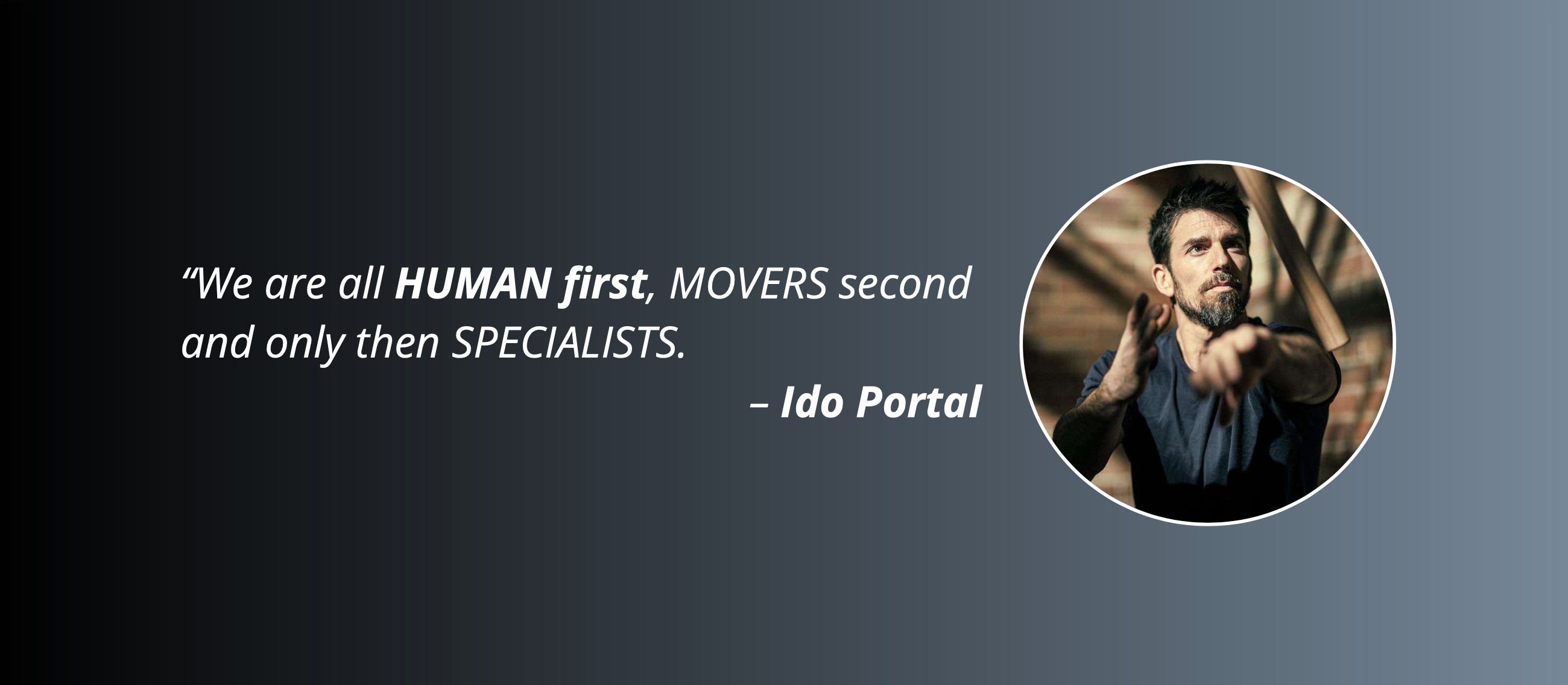
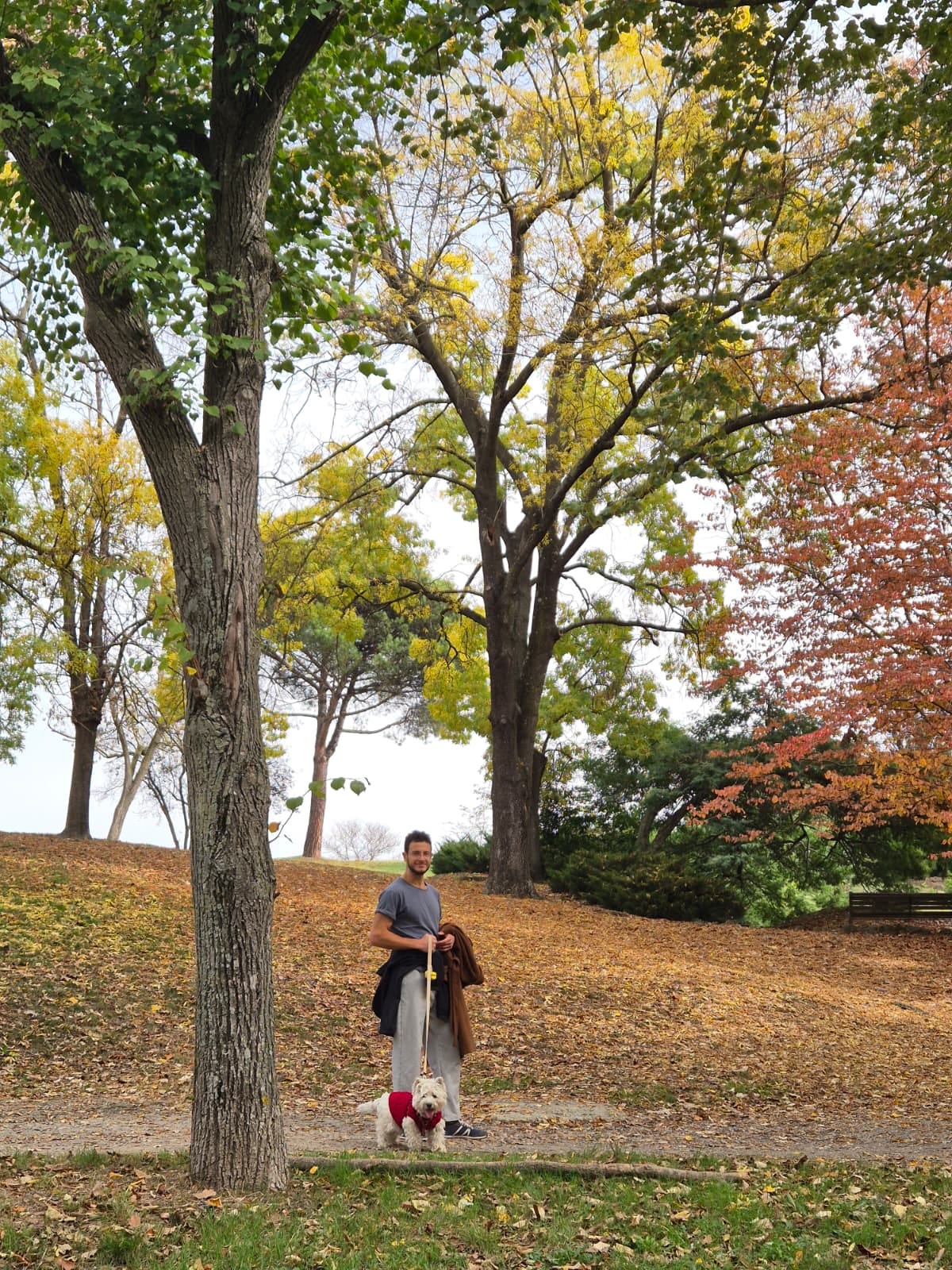
Photo of the month
Playlist of the month
Of course, I couldn’t not share my movement playlist.. it’s part of the story.